Art programme honours traditional craft villages in Hue
Nhận đường liên kết
Facebook
X
Pinterest
Email
Ứng dụng khác
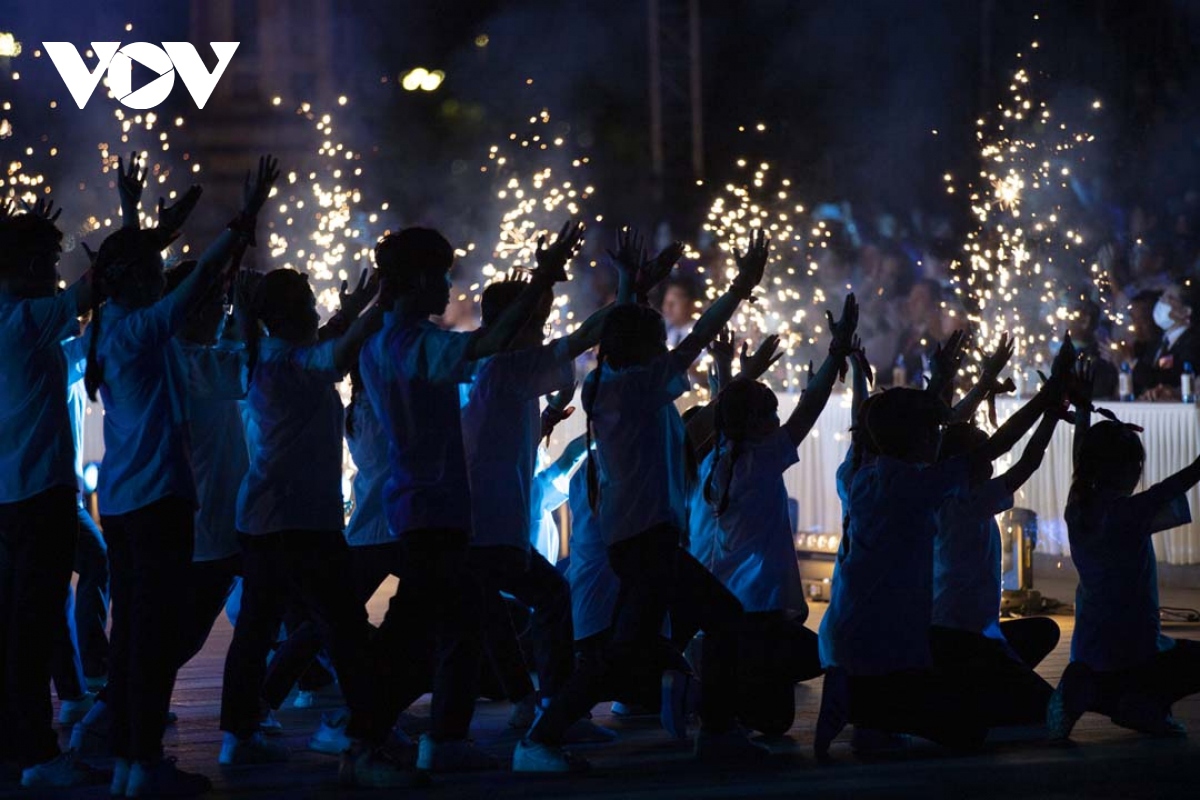
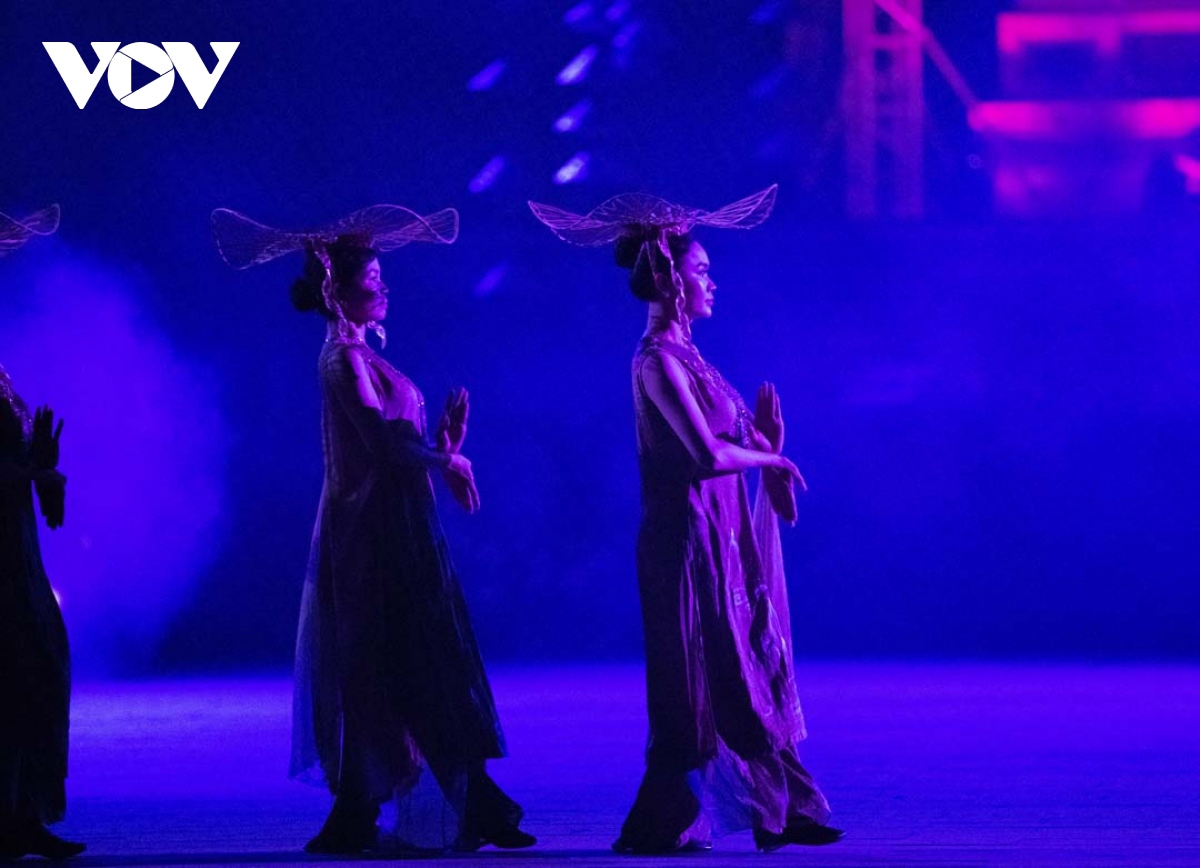
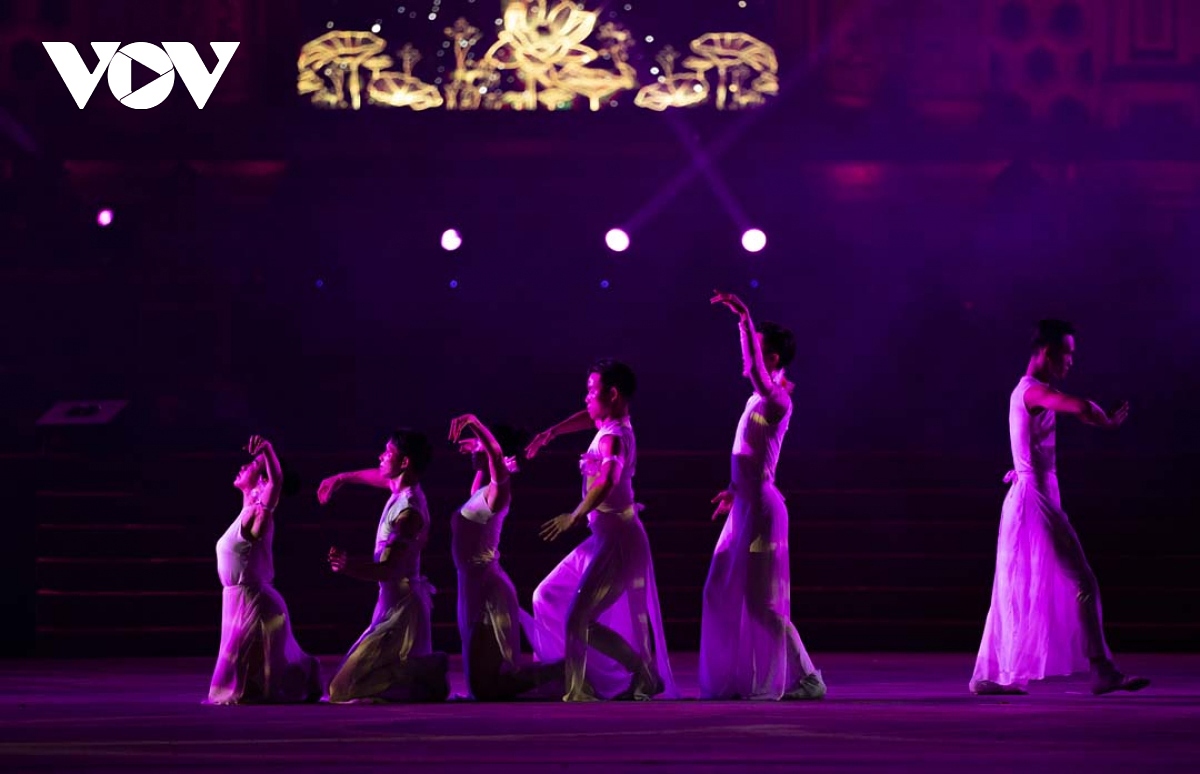
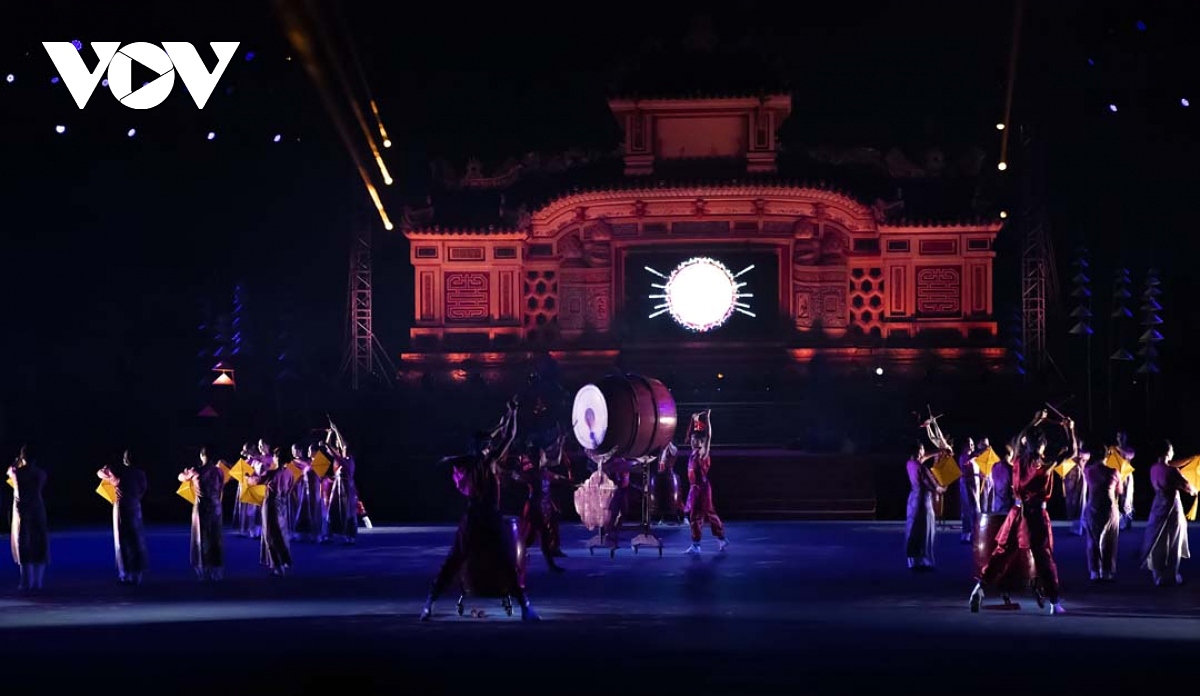
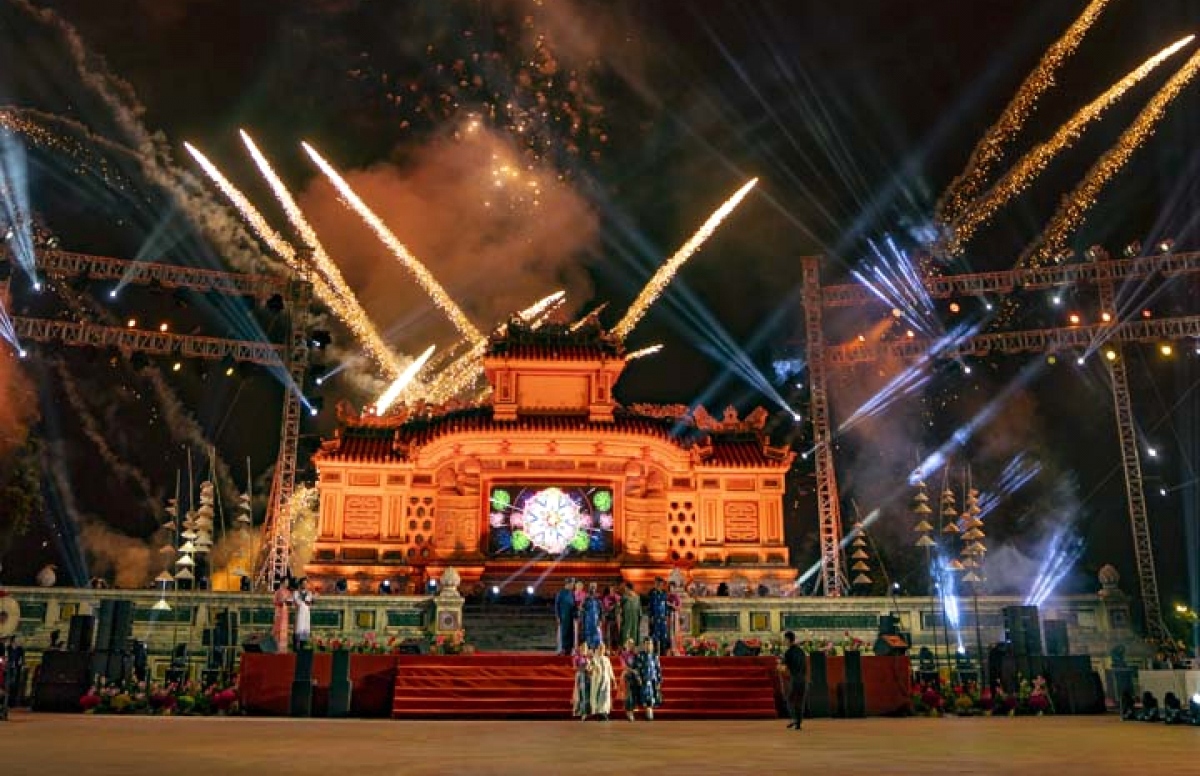
Students from Quoc Hoc High School participate in a performance staged by The Wall band.
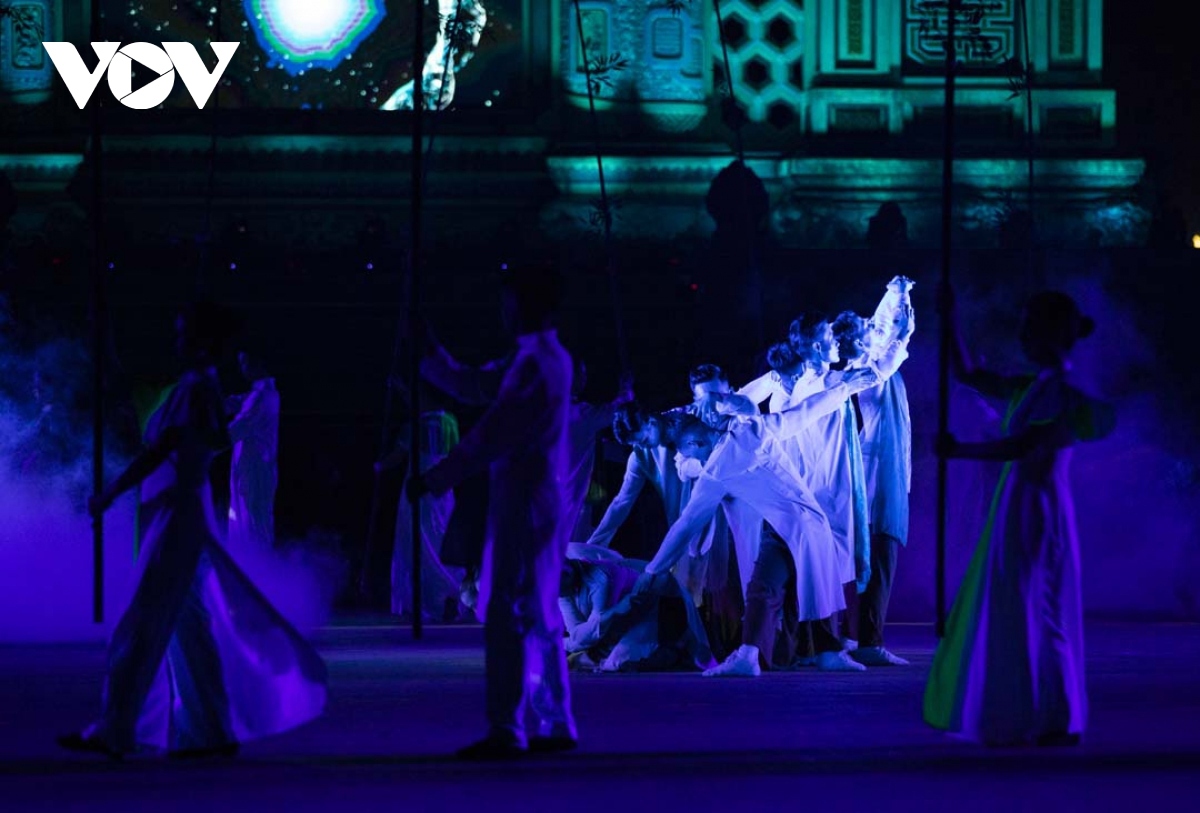
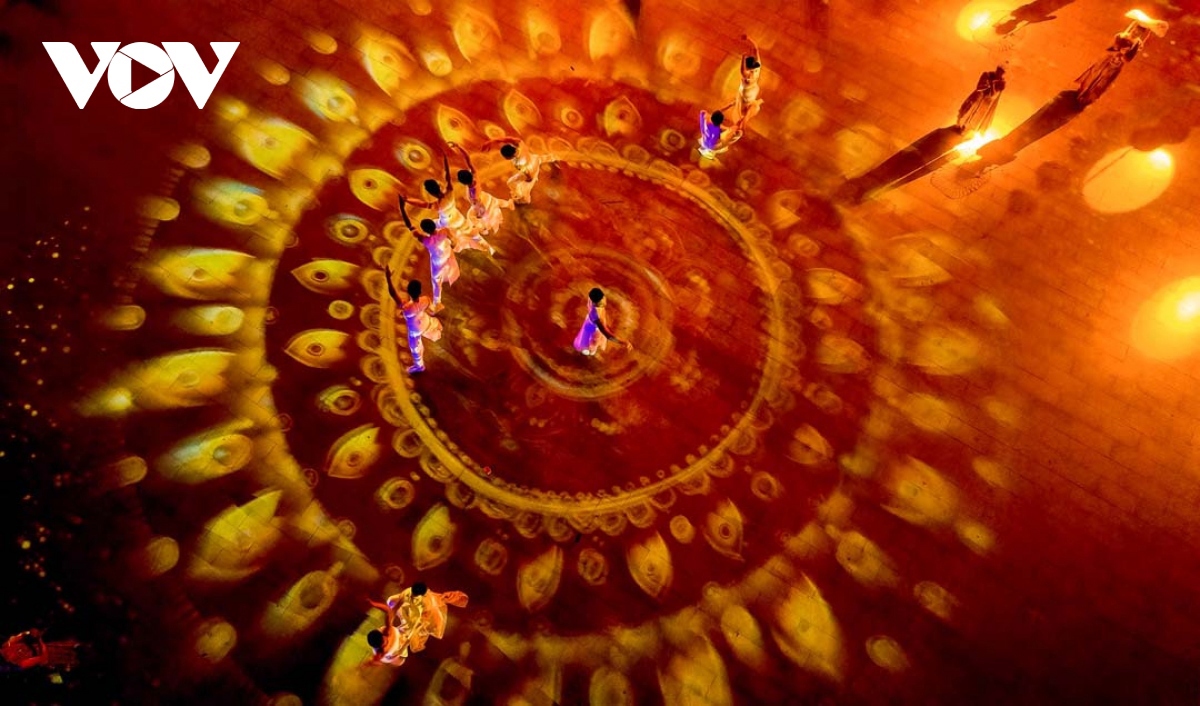
According to archeographer Tran Ly Ly, music and dance are used to tell a story honouring skillful hands of artisans.
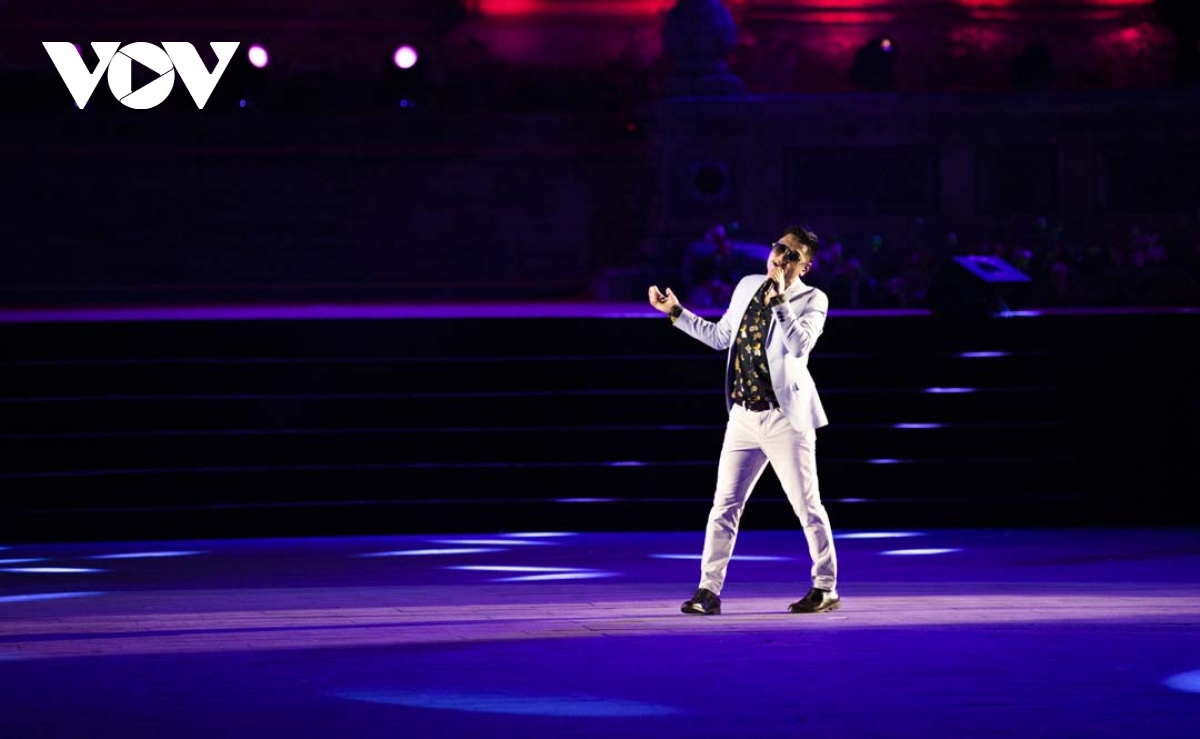
Bobby Kim, an artist of the Republic of Korea, performs at the ceremony.
Hue, the last capital of the Vietnamese feudalism (the Nguyen Dynasty), still preserves almost the original tangible and intangible cultural heritages, including traditional craft villages.
Many craft villages were established to serve the royal court and the daily life of local people at that time.
Despite ups and downs, hundreds of craft villages have been preserved for hundreds of years, showing the strong vitality and gratitude to the ancestors of the ancient capital.
Hue’s craft villages are divided into six main groups producing tools, interior decorations, garment, building materials, food, and jewelries.
The preservation of traditional craft villages in Hue shows a very unique interference and combination of folklore and royal culture values in the former imperial city.
It is a combination of the cuisine, the costumes, the architecture, and the rituals all mirrored in the traditional craft villages.
Thanks to huge investments, craft villages in Hue have been developed into tourist attractions.
Developing craft villages into a special tourism product is considered an effective way to preserve and honor the unique traditional cultural values in the locality.
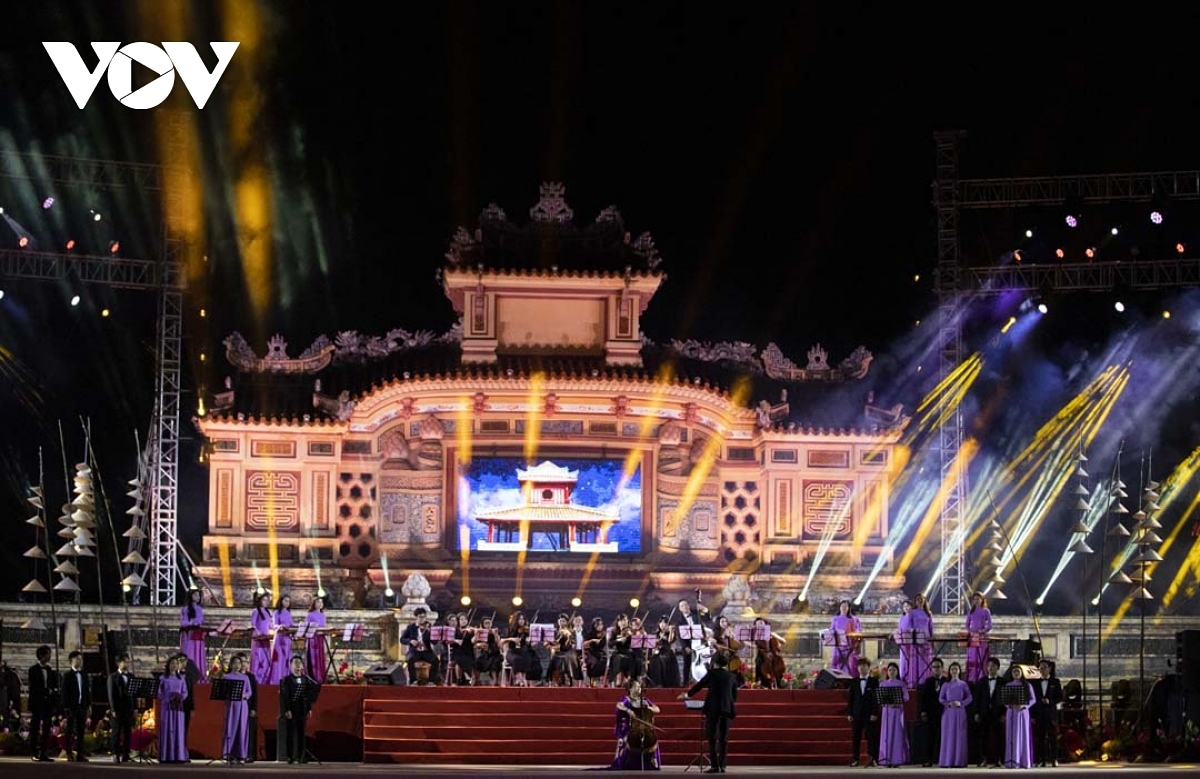
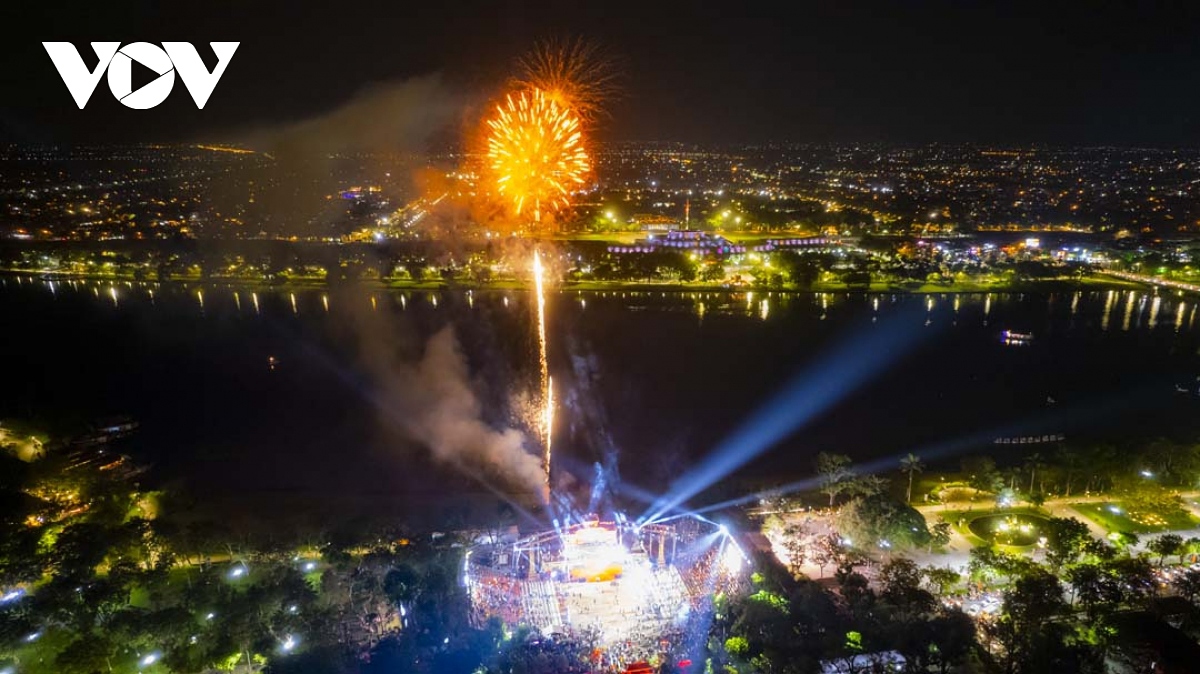
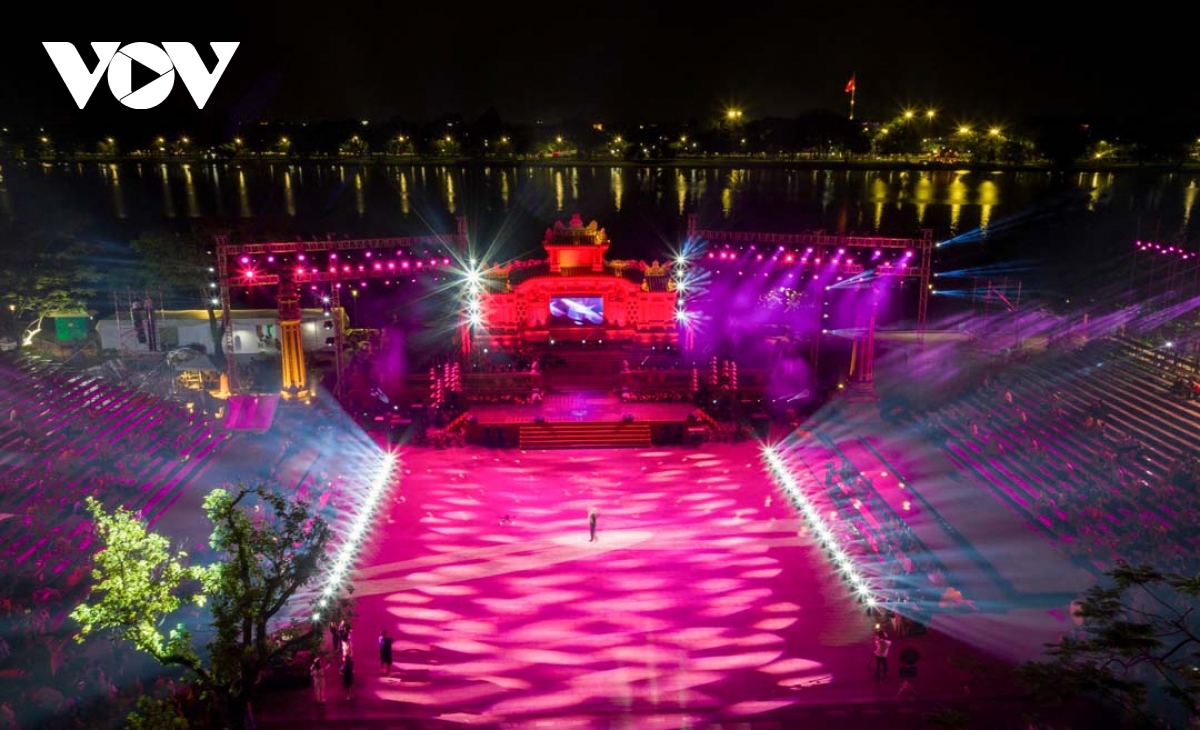
. The week-long festival not only shows the cultural values of the traditional craft villages but presents a chance for artisans and researchers, as well as domestic and international organizations to share experience in preserving and developing those villages.
Every day, Nguyen Tuyet Nhung patiently waits until 7 p.m. for her children and grandchildren to come home from school and work, and the entire family gathers around the table. Sharing a meal and discussing their day is a tradition that Nhung’s family strives to uphold, even in the absence of her late husband. “In today’s world, my children are either busy or engrossed in their own social interests, and I feel that dinner time is the only opportunity for family interaction,” she expressed, emphasizing the importance of family culture in fostering a civilized society. This concern is also shared by the authorities of Hanoi city. According to Do Dinh Hong, the Director of Hanoi’s Department of Culture and Sports, there is still a prevalence of uncultured behaviors in daily life, and families face challenges in strengthening the connection between family members. The moral standards of Hanoi people and the capital’s family value system are being undermined in today’s society. To address ...
The Norwegian diplomat is excited to explore the cultural similarities between their country and Vietnam during the New Year holiday, a time for family reunion. In the photo, the diplomat’s family poses for a group picture with local residents in Duong Lam. Mia Pagoda was constructed during the Tran Dynasty (1225-1406) and still houses numerous ancient artifacts. It has the largest collection of ancient statues in Vietnam, with 287 statues. Duong Lam is renowned for its architectural charm and culinary traditions, making it a must-visit destination for tourists in Hanoi. Tourists often get to taste a local specialty, chè lam cake, in the ancient houses. The cake is made from simple ingredients such as glutinous rice, mung beans, ginger, honey or sugar, and peanuts. It is a popular treat during Tet, the Vietnamese New Year. Exploring the ancient houses and experiencing the old architecture is a fantastic experience for the Norwegian diplomat’s family. ...
Photo Hanoi’23 is the first international art biennial to be held in the capital, reaffirming Hanoi’s determination to become the photography city of Asia. This event is jointly organized by the Hanoi Department of Culture and Sports and the French Institute in Vietnam to celebrate the 50th anniversary of the establishment of Vietnam-France relations. On this occasion, Thierry Vergon, Director of the French Institute in Vietnam, talks to T he Hanoi Times about the prospect of the event. Rendez-vous of international photographers – Why did the French Institute initiate the Hanoi Biennale of Photography? Why photography? This idea began in 2020 for many reasons. First of all, it is a means to promote other cultural activities. Meanwhile, Vietnam is home to many good young photographers and famous photographers who inspire the public. Given good responses from the public and cultural partners, we decided to organize the biennial event. The Biennale is very popular for p...


Nhận xét
Đăng nhận xét